There are ingredients you use, and then there are ingredients you romance.
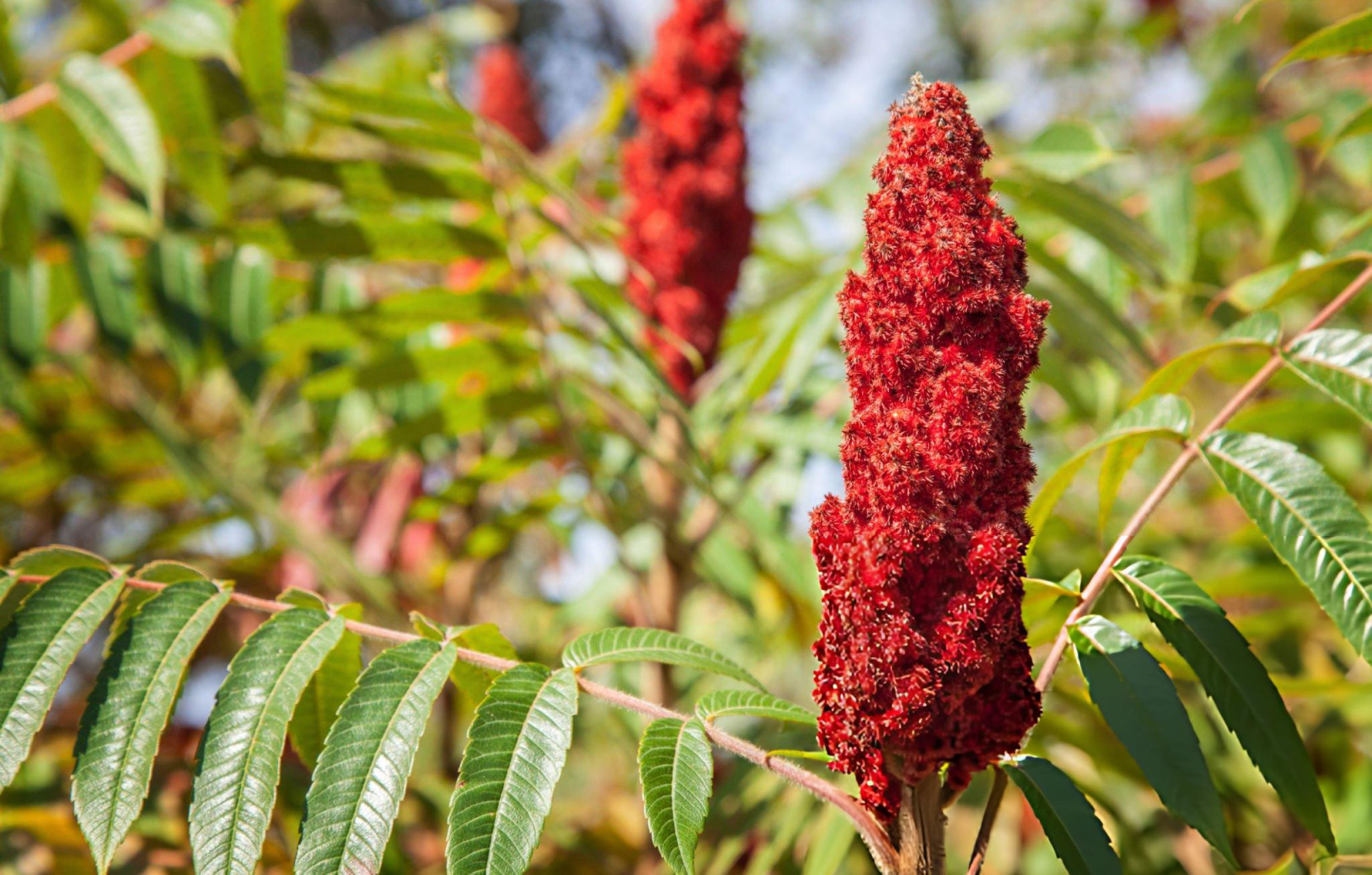
Sumac is firmly in the second category. In my cooking, food is meant to nourish without feeling like a lecture, vibrant, intuitive, and full of joy. Sumac fits that philosophy perfectly. It brightens dishes naturally, adds layers of complexity without fuss, and keeps everything feeling light and fresh. But it’s not just delicious. Sumac is one of those old-world ingredients, traditionally used across the Mediterranean and Middle East, carrying both history and intention. It’s rich in antioxidants, too healthy for you without making a scene. There’s also something deeply poetic about it. Sumac comes from dried berries. Berries. Tiny jewels transformed into a deep crimson powder. Every time I open the jar, it feels like borrowing a little Mediterranean sunlight captured and preserved for later. If my cooking has a signature, it’s this: bold but warm, rustic but playful, healthy without trying too hard. In my Eastern Mediterranean kitchen, sumac isn’t a garnish, it’s a personality. I call it the red lipstick. That’s why I love it so much. It delivers acidity without sharpness, brightness without drama.
I sprinkle it on……………….
JOIN SUBSTACK FOR FULL Story SylvaAlexia.substack.com